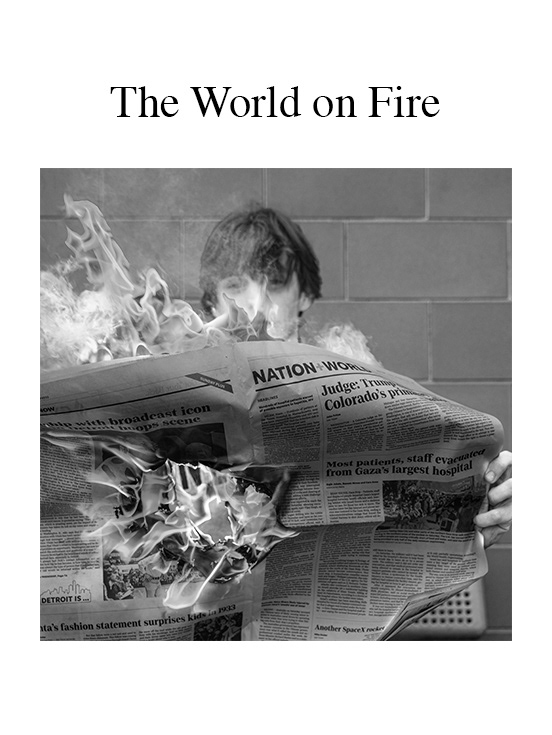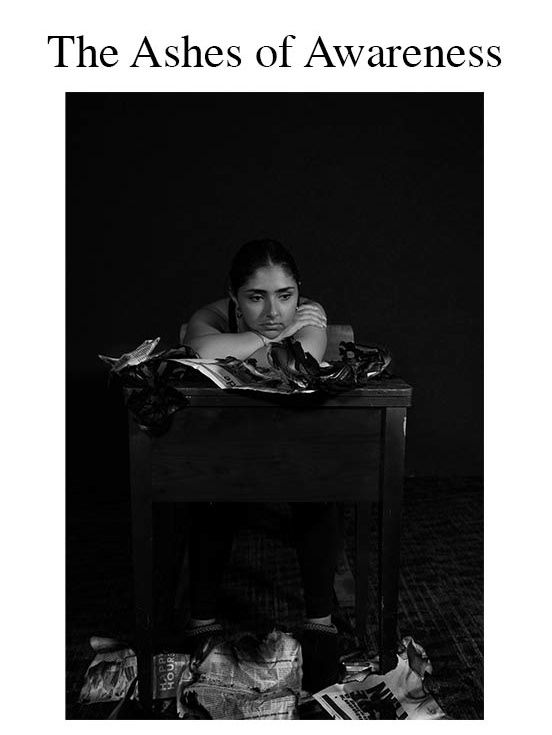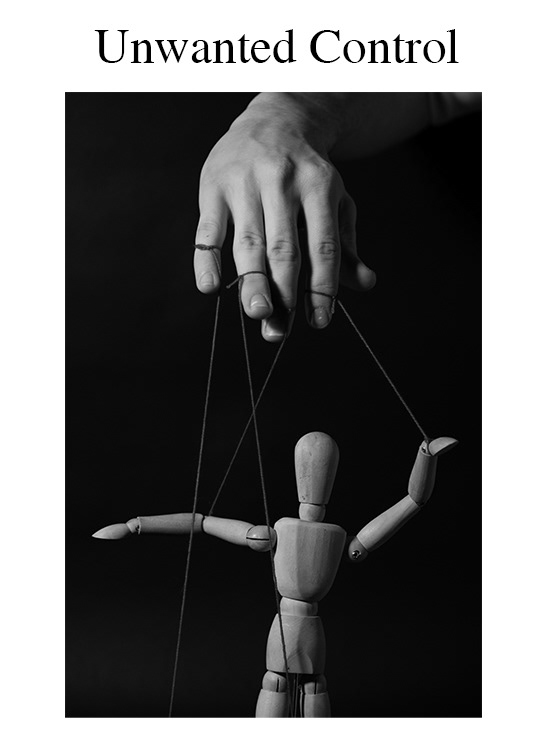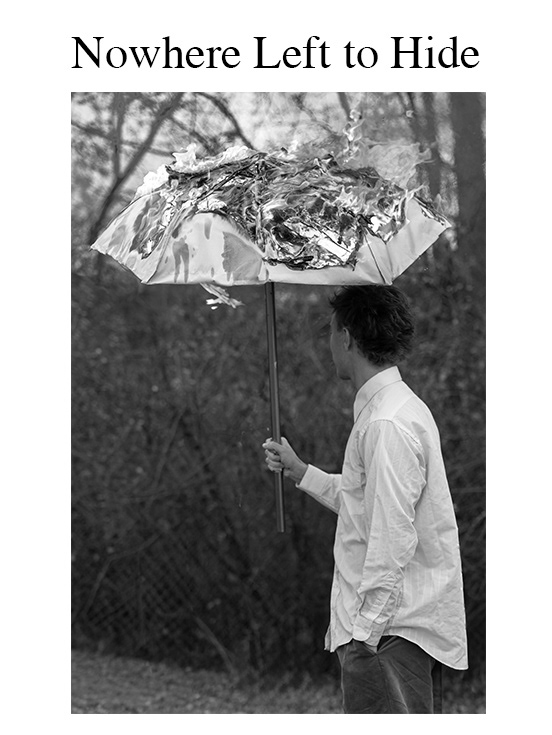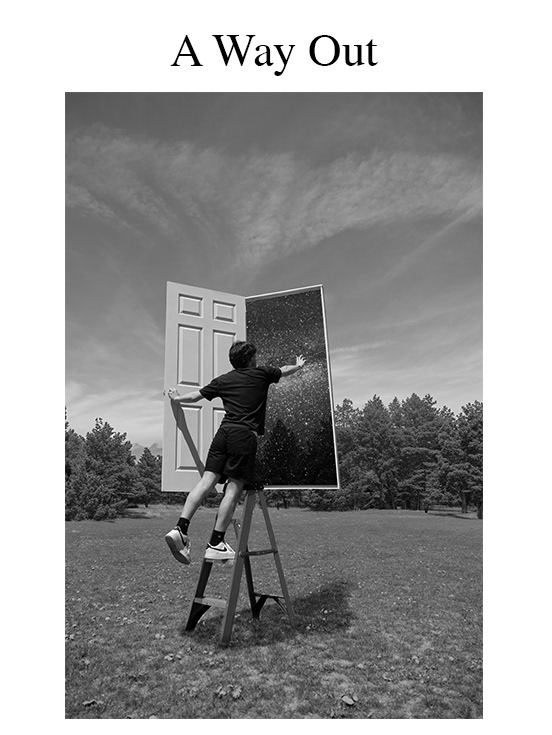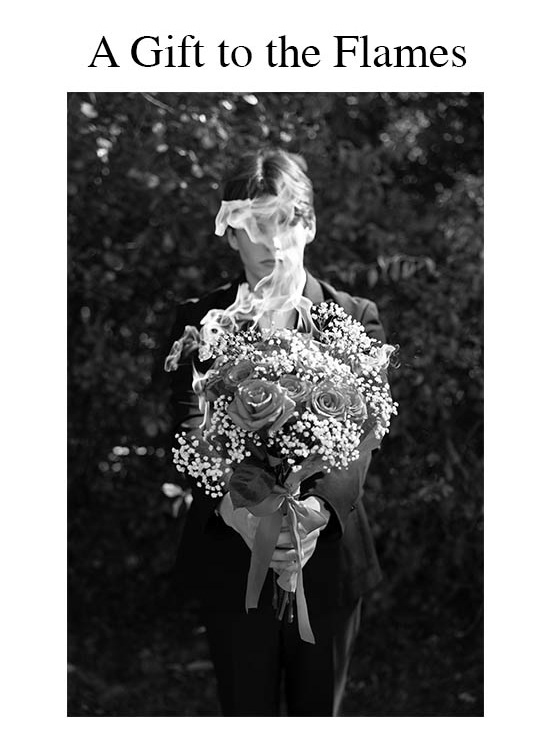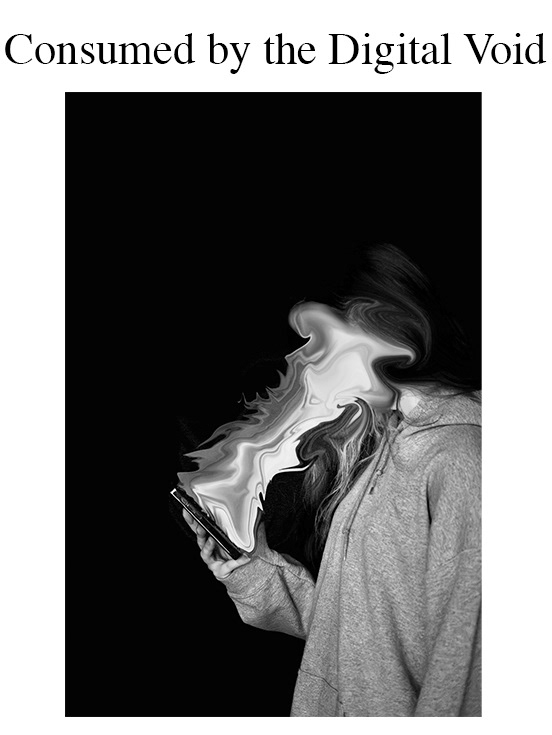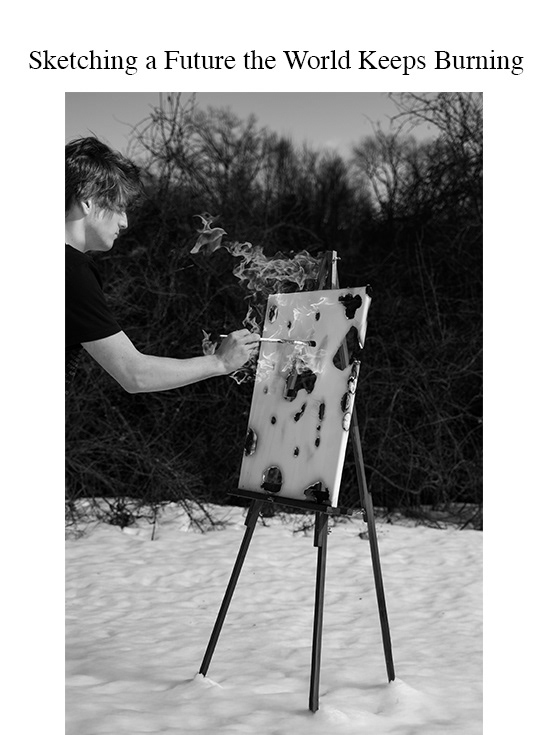
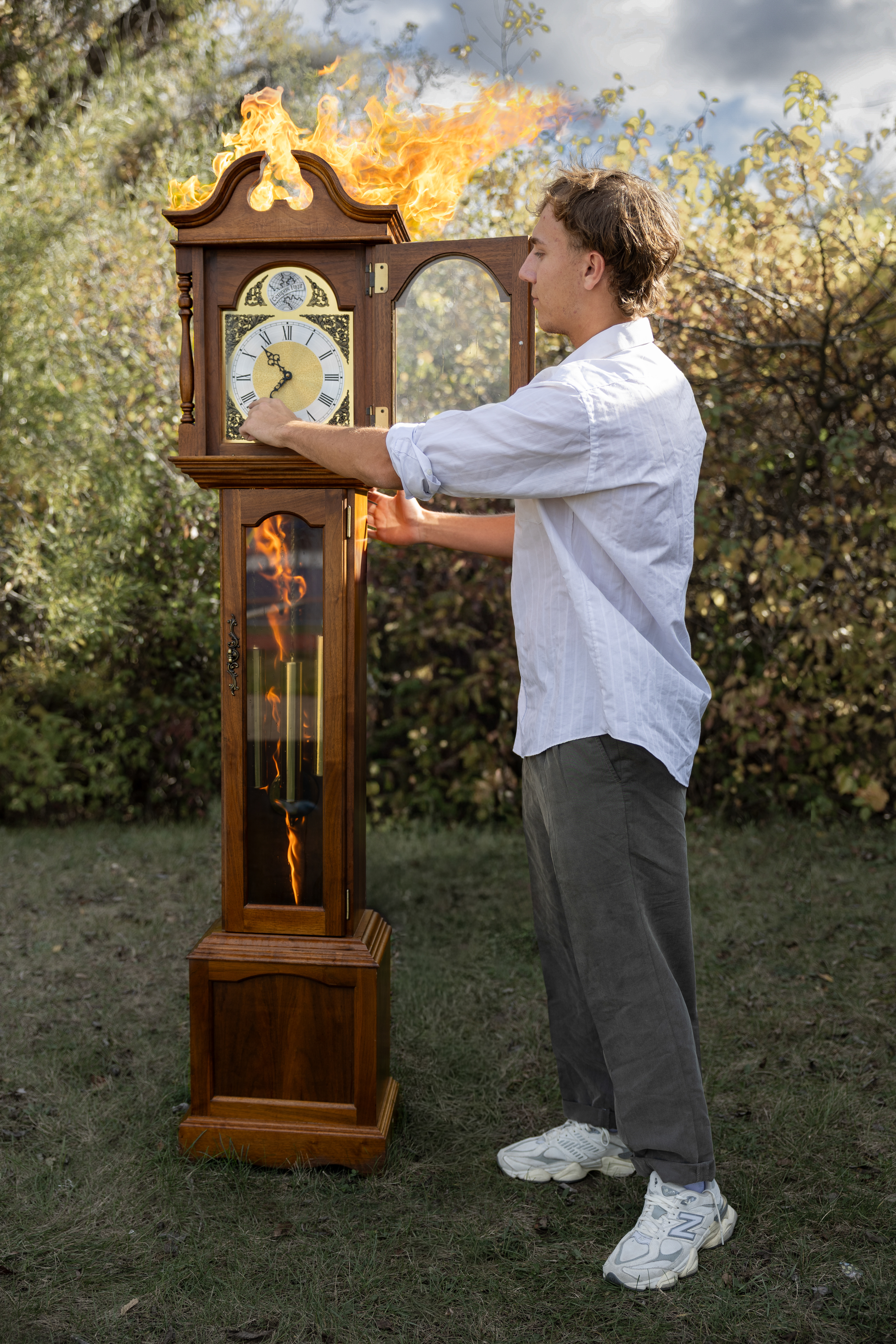
This piece is about the fragile relationship we have with time how we try to control it, preserve it, and make sense of it, even as it slips away. The burning clock becomes a symbol of everything we can’t hold onto: moments, people, youth, and the quiet certainty that everything eventually fades. It captures that desperate, tender act of trying to stop time, of reaching into something that’s already vanishing, knowing you can’t save it. The flames represent both destruction and clarity. As the clock burns, it reveals a truth we often avoid that time consumes everything, no matter how carefully we guard it. Yet there’s also beauty in that realization. The fire transforms what was once ordinary into something luminous and alive. It’s the light of endings, the honesty that comes when we finally stop pretending that permanence exists. This image speaks to the ache of watching your own life move too fast the way childhood turns into memory, love into distance, dreams into echoes of what could’ve been. It’s not just about loss, but about acceptance. About understanding that time’s passing doesn’t always take from us; sometimes, it gives us perspective, wisdom, and the courage to let go. Even as the clock burns, the figure stands close not running, not turning away. That stillness is its own kind of defiance. It’s a quiet promise that even as everything changes, we can still choose presence. We can still choose to care, to notice, to feel. In the end, this photograph isn’t about the fear of time it’s about the beauty of being aware of it. The flames may consume the hours, but they also illuminate what makes them precious: the fleeting, irreplaceable brilliance of now.